What early harvest means
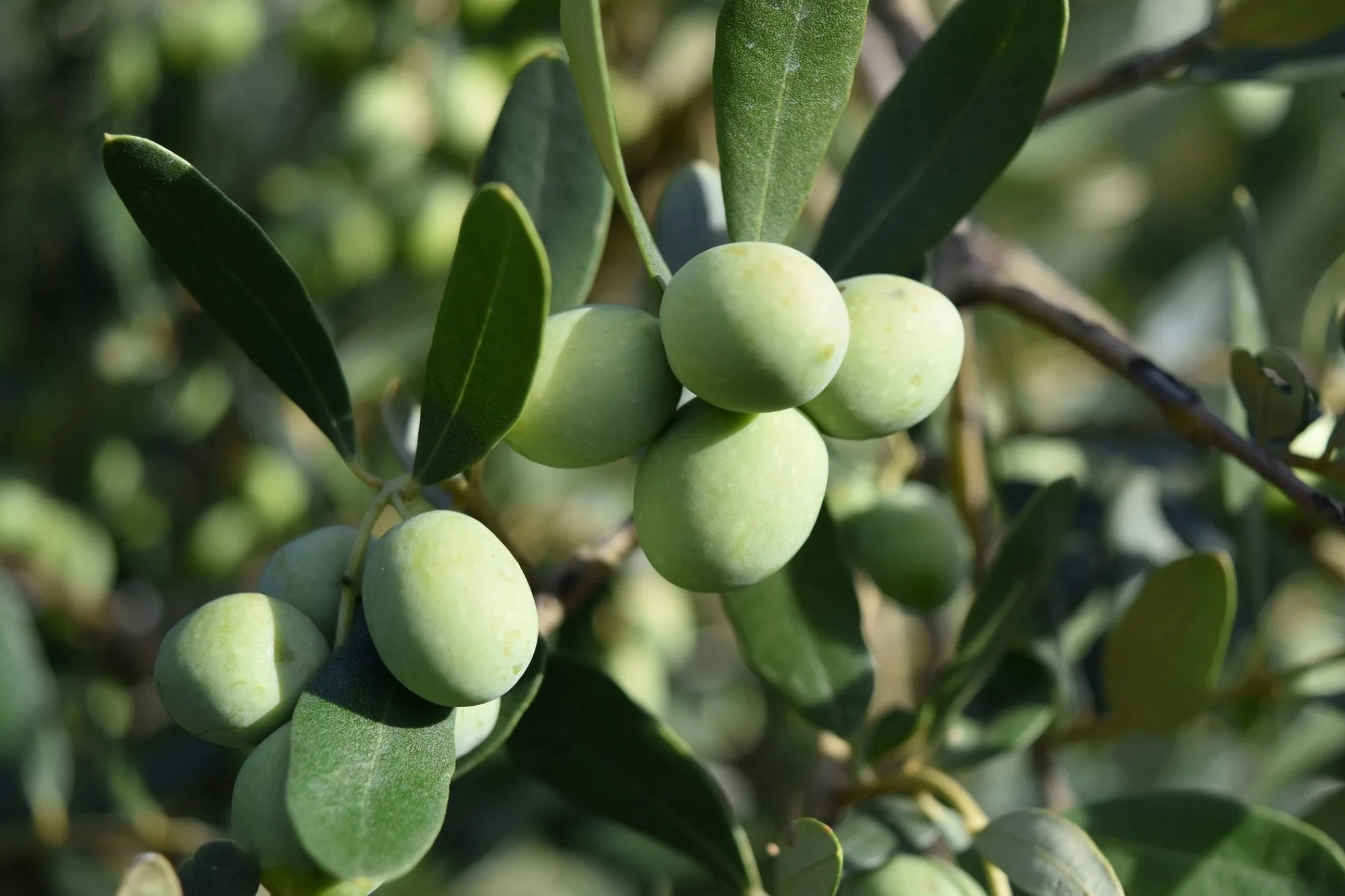
As olives ripen, their skin turns from green to violet and then black, the flesh darkens, and the fruit builds up oil while losing polyphenols and green aromas. Early harvest means picking at the start of that path, while most of the fruit is still green or just turning.
In most markets "early harvest" is not a legally defined term on the label, so it describes the producer's choice rather than a certified category. Some producers use local names for it, such as agourelaio in Greece.
What changes in the bottle
| Early harvest (green fruit) | Later harvest (riper fruit) | |
|---|---|---|
| Aromas | Cut grass, green leaf, artichoke, green almond, tomato leaf | Ripe fruit, apple, banana, almond, softer herbs |
| Bitterness and pungency | Medium to high | Low to medium |
| Polyphenols | Higher | Lower |
| Shelf life | Longer | Shorter |
| Oil yield | Lower | Higher |
How to choose the picking date
- Track ripeness in the grove: sample fruit from several trees each week and note the share of green, turning and dark olives.
- Many producers use a maturity index, which scores the color of skin and flesh from 0 (deep green) to 7 (black skin and flesh). Early harvest usually falls in the low range of the scale.
- Taste small trial millings if you can. The best date is where the oil is green and lively but the fruit still carries the bitterness.
- Plan the mill in advance: green fruit is harder to extract, so book short, frequent milling slots rather than waiting for a large batch.
- Pick by plot and cultivar, not by calendar. Different varieties and different parts of the grove ripen at different times.
Mistakes to avoid
- Too early for the cultivar: an intense variety such as Coratina picked very green can be harsh and unbalanced. Balance counts more than intensity.
- Green fruit, slow milling: green fruit waiting in bags or heaps loses the freshness you picked it for and can develop defects.
- Warm, long malaxation to make up for low yield: it brings back oil but costs aroma and polyphenols.
- Skipping filtration: early harvest oil often goes on sale fresh, but sediment left in the bottle can ferment and cause defects within months.
Early harvest in a blind tasting
At Terraolivo every sample is coded and tasted blind, then scored out of 100. Judges taste from blue glasses that hide the oil's color, so a deep green oil gets no credit for its looks. What counts is in the glass: fruitiness, bitterness and pungency in balance, complexity, persistence and the absence of defects.
A well-made early harvest oil often shows exactly that: intense green fruitiness carried by bitterness and pungency. But a balanced oil from slightly riper fruit can score just as well. Choose the date for harmony, not only for intensity.